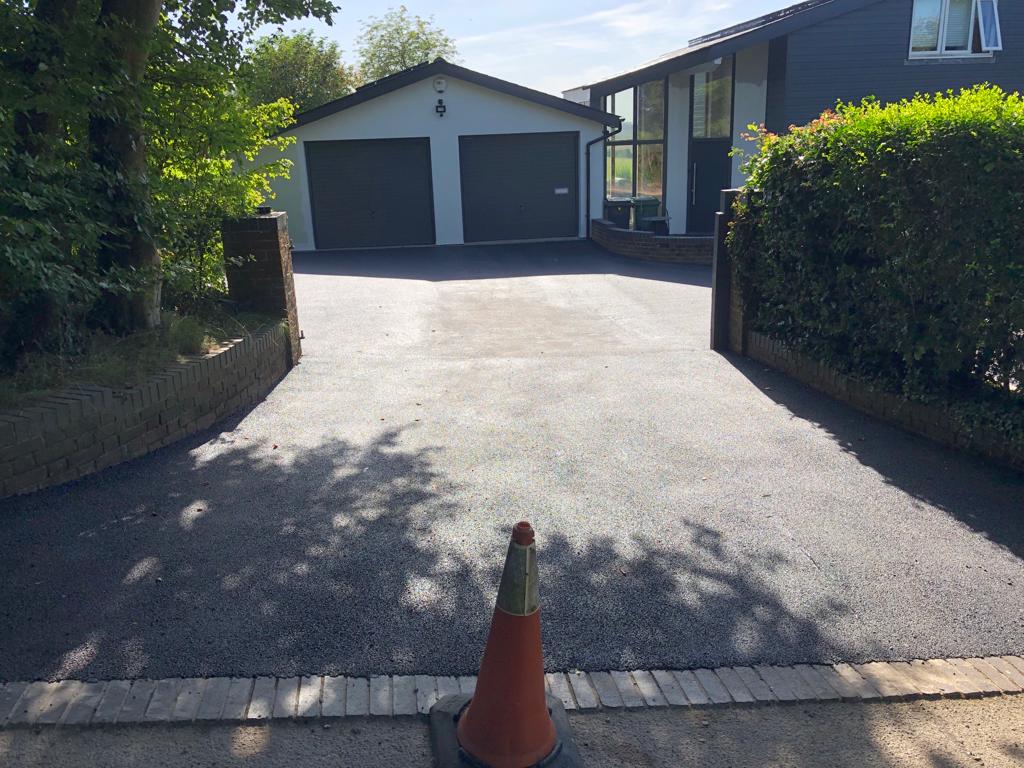
When a driveway, access road, car park or commercial area experiences regular vehicle movement, the choice of surfacing material becomes particularly important. A busy surface needs to accommodate repeated traffic, provide reliable access and remain practical to maintain over time.
Asphalt is a widely used surfacing material because it offers a combination of durability, flexibility and versatility. When installed over a properly prepared foundation, it can provide a smooth, hard-wearing surface suitable for a variety of residential and commercial applications.
For property owners and businesses in Lara, VIC, choosing asphalt can be a practical way to improve frequently used areas. However, its performance depends on appropriate pavement design, ground preparation, drainage and professional installation.
Understanding the benefits of asphalt can help you determine whether it is the right option for your property.
Why Is Asphalt a Practical Choice for Busy Driveways, Roads and Commercial Areas?
Asphalt is made from a mixture of aggregates and bituminous binder, which is laid and compacted to form a continuous pavement surface. Its characteristics make it suitable for many areas that experience regular vehicle movements, provided the pavement structure is designed for the intended traffic.
Here are eight practical benefits of choosing asphalt for a busy surface.
1. Asphalt Provides a Durable Surface for Regular Traffic
One of the main advantages of asphalt is its ability to accommodate repeated vehicle movements.
Busy driveways, access roads and car parks experience ongoing loading as vehicles enter, exit, park and manoeuvre. A properly constructed asphalt pavement distributes these loads through the wearing surface and supporting layers.
This makes asphalt suitable for a wide range of applications, including:
- Residential driveways used several times a day
- Commercial access roads
- Customer parking areas
- Private roads
- Vehicle turning areas
- General trafficable surfaces
However, durability depends on the pavement being designed for the vehicles using it.
A surface intended for passenger vehicles may require a different pavement structure from one regularly carrying heavy commercial traffic.
Professional installation ensures that the asphalt and supporting pavement are appropriate for the expected loading conditions.
2. A Smooth Surface Improves Everyday Vehicle Access
Busy areas benefit from a consistent driving surface.
Uneven gravel, potholes and deteriorated pavement can make vehicle movements less comfortable and create difficulties when manoeuvring around a property.
Professionally installed asphalt provides a continuous surface that can be finished to appropriate levels.
This helps create more consistent conditions for vehicles travelling across the area.
A smoother asphalt surface can be particularly beneficial for:
- Driveway entrances
- Frequently used access routes
- Parking areas
- Commercial entrances
- Vehicle manoeuvring spaces
The finished surface should also incorporate suitable falls to encourage effective drainage.
A smooth appearance alone is not enough; the pavement must be properly supported to maintain its condition under regular use.
3. Asphalt Can Accommodate Different Types of Vehicle Movement
Busy surfaces experience more than straightforward vehicle travel.
Drivers frequently brake, accelerate, reverse and turn, particularly around parking spaces, entrances and loading areas.
These movements create additional stresses within the pavement.
When appropriately designed and constructed, asphalt can accommodate a variety of traffic movements.
Its suitability depends on factors such as:
- Vehicle weight
- Frequency of use
- Turning movements
- Braking and acceleration
- Stationary loading
- Supporting pavement strength
Areas experiencing concentrated heavy loads or repeated tight turning may require additional pavement design considerations.
An experienced contractor can assess the intended use and recommend an appropriate asphalt specification.
4. Asphalt Creates a More Stable Alternative to Loose Gravel
Gravel can be a practical surface for certain applications, but regular traffic may cause loose material to move.
Over time, this can result in wheel tracks, corrugations, depressions and uneven sections.
Vehicles turning or braking can also displace aggregate, particularly where the supporting ground is poorly prepared.
Asphalt creates a bound wearing surface that reduces the movement of loose surface material.
This can help provide a more consistent trafficable area for properties experiencing frequent vehicle use.
However, upgrading gravel to asphalt requires proper preparation.
The existing ground must be assessed to determine whether it can support the proposed pavement.
Preparation may involve grading, removing unsuitable material, installing additional pavement layers and compacting the foundation.
Simply laying asphalt over unstable gravel will not provide the same result as a properly constructed pavement.
5. Asphalt Can Be Repaired When Localised Damage Develops
Even a well-constructed asphalt surface can experience deterioration over time.
Cracks, potholes and localised damage may develop because of ageing, moisture penetration, traffic loading or movement within the supporting pavement.
One practical advantage of asphalt is that many defects can be addressed through targeted repairs.
Depending on the condition of the pavement, suitable repair methods may include:
- Crack treatment
- Pothole repairs
- Localised asphalt patching
- Repairs to damaged edges
- Replacement of deteriorated sections
- Correction of isolated surface depressions
Where damage is limited and the surrounding pavement remains stable, repairs can often be confined to the affected area.
This allows serviceable sections of the existing asphalt to remain in place.
However, repeated failures or widespread structural cracking may require more substantial pavement rehabilitation.
6. Asphalt Resurfacing Can Restore an Ageing Surface
Busy pavements gradually experience wear from regular traffic and environmental exposure.
Over time, the asphalt may become rougher, develop cracks or begin losing aggregate.
If the supporting pavement remains structurally sound, resurfacing may provide a suitable way to restore the wearing surface.
Asphalt resurfacing generally involves preparing the existing pavement and installing a new asphalt layer.
This can help improve surface consistency and address widespread wear without necessarily reconstructing the entire pavement.
Resurfacing may be worth considering when an area shows:
- General asphalt ageing
- Widespread surface wear
- Increasing roughness
- Multiple previous repairs
- Minor cracking across larger sections
- Progressive aggregate loss
Before resurfacing, the existing pavement should be assessed for structural problems.
Unstable sections, significant cracking and drainage defects may require attention before the new asphalt is installed.
7. Asphalt Can Improve the Appearance and Organisation of a Property
A busy driveway or commercial area is often one of the most frequently used parts of a property.
Worn gravel, uneven patches and deteriorated surfaces can make the area appear poorly maintained.
A professionally installed asphalt surface provides a consistent finish that can improve the overall presentation of the property.
It can also help establish clearly defined trafficable areas.
For example, asphalt may be used to create a more organised layout for:
- Vehicle access
- Parking spaces
- Internal roads
- Turning areas
- General vehicle circulation
The layout should be planned according to how the property is used.
Appropriate pavement levels, drainage and vehicle movements are just as important as the finished appearance.
8. Asphalt Offers Practical Long-Term Maintenance Options
A busy surface benefits from a maintenance approach that addresses deterioration before it becomes extensive.
Asphalt can be inspected, repaired and resurfaced as its condition changes.
This provides flexibility when planning maintenance for regularly used areas.
For example, small cracks may be suitable for treatment before they widen, while isolated potholes may be repaired without disturbing the entire pavement.
As the surface ages, resurfacing may become appropriate if the supporting pavement remains sound.
Regular maintenance can help identify:
- Early cracking
- Loose aggregate
- Surface depressions
- Damaged pavement edges
- Deteriorating repairs
- Drainage problems
- Signs of structural movement
Addressing these issues promptly can help preserve the condition of the pavement and reduce the likelihood of larger failures developing.
What Makes Asphalt Suitable for a Busy Commercial Surface?
Commercial areas often experience more demanding traffic conditions than residential driveways.
Vehicles may enter and leave throughout the day, while parking, turning and loading activities place repeated stress on particular sections.
Asphalt can provide a suitable wearing surface for many commercial applications, but the pavement must be designed around the expected traffic.
Important considerations include the frequency of vehicle movements, the weight of vehicles and the locations where loading is concentrated.
A professional contractor can assess whether the proposed pavement structure provides suitable support for these activities.
For areas with particularly heavy stationary loads or specialised operational requirements, an alternative pavement specification may be necessary.
Why Is Ground Preparation Essential for Busy Asphalt Surfaces?
The performance of asphalt depends heavily on the condition of the foundation beneath it.
When vehicles travel across the pavement, their weight is transferred through the asphalt into the supporting layers.
If these layers are unstable, poorly compacted or unsuitable for the intended traffic, the surface may begin to deform.
Common problems associated with inadequate preparation include:
- Wheel rutting
- Localised settlement
- Cracking
- Pothole formation
- Uneven pavement levels
- Repeated failure of repaired sections
Professional ground preparation helps establish a suitable foundation before asphalt installation.
Depending on the site, this may involve removing unsuitable material, grading, installing appropriate pavement layers and completing the necessary compaction.
Correct preparation is particularly important where the surface will experience frequent or heavy vehicle movements.
How Does Drainage Affect Asphalt Performance?
Drainage is another important factor when planning a busy asphalt surface.
Rainfall that collects in depressions or enters cracks can contribute to deterioration of the supporting pavement.
Where moisture weakens the underlying material, repeated traffic loading may accelerate settlement and cracking.
A properly planned asphalt surface should incorporate suitable falls to encourage water to move towards intended drainage points.
Before installation, contractors should consider:
- Existing ground levels
- Low points
- Surface water flow
- Drainage outlets
- Adjacent ground conditions
- Areas affected by previous water damage
Good drainage planning helps protect the pavement and supports more reliable performance.
Is Asphalt Suitable for Both Residential and Commercial Properties?
Asphalt can be suitable for both residential and commercial applications, provided the pavement is designed for its intended use.
For residential properties in Lara, asphalt may provide a practical solution for frequently used driveways and private access areas.
For commercial properties, it may be suitable for car parks, internal access roads and general vehicle circulation areas.
The key difference is often the expected traffic loading.
A residential driveway primarily used by passenger vehicles will generally have different structural requirements from a commercial pavement regularly carrying heavier vehicles.
Professional assessment helps ensure that the proposed asphalt construction is appropriate for the property.
When Should an Existing Busy Surface Be Resurfaced?
An existing asphalt surface may benefit from resurfacing when deterioration becomes widespread but the supporting pavement remains stable.
Signs that resurfacing may be appropriate include:
- Extensive surface wear
- Widespread minor cracking
- Increasing aggregate loss
- Numerous previous repairs
- A generally rough or weathered surface
- Deterioration affecting multiple sections
However, resurfacing is not always the correct solution.
If the pavement contains deep rutting, significant settlement or widespread structural cracking, deeper repairs may be required.
A professional assessment can determine whether localised repairs, resurfacing or more extensive rehabilitation will provide the most suitable outcome.
Why Professional Asphalt Installation Matters
Choosing asphalt is only one part of creating a reliable surface.
The quality of the finished pavement depends on appropriate planning, preparation and installation.
An experienced asphalt contractor can assess the site and consider:
- Existing ground conditions
- Expected traffic loading
- Pavement thickness and materials
- Drainage requirements
- Grading and surface levels
- Compaction
- Vehicle turning and manoeuvring areas
- Future maintenance requirements
These factors help determine how the pavement should be constructed.
For busy surfaces, correct preparation and compaction are particularly important because repeated traffic can quickly expose weaknesses within the supporting pavement.
Professional installation aims to create a surface that is appropriate for the property’s intended use rather than simply achieving a smooth finish.
Conclusion
Asphalt offers several practical benefits for busy driveways, access roads, car parks and commercial areas. Its durability, smooth finish, versatility and suitability for targeted repairs make it a useful option for surfaces experiencing regular vehicle movements.
A properly constructed asphalt pavement can provide more consistent access, reduce problems associated with loose gravel and offer practical maintenance and resurfacing options as the surface ages.
However, these benefits depend on suitable pavement design, effective drainage, correct ground preparation and professional installation. The supporting pavement must be capable of accommodating the expected traffic to achieve reliable long-term performance.
For property owners and businesses in Lara, VIC, Lara Road Tech provides professional asphalt surfacing, repairs and resurfacing services. If you are considering upgrading a frequently used driveway, access road or commercial surface, contact our team to discuss your requirements and arrange an assessment of the most suitable asphalt solution for your property.
Call us on: 03 4159 2883
Click here to find out more about Lara Road Tech
Click here to complete our contact form and see how we can help with your road needs.