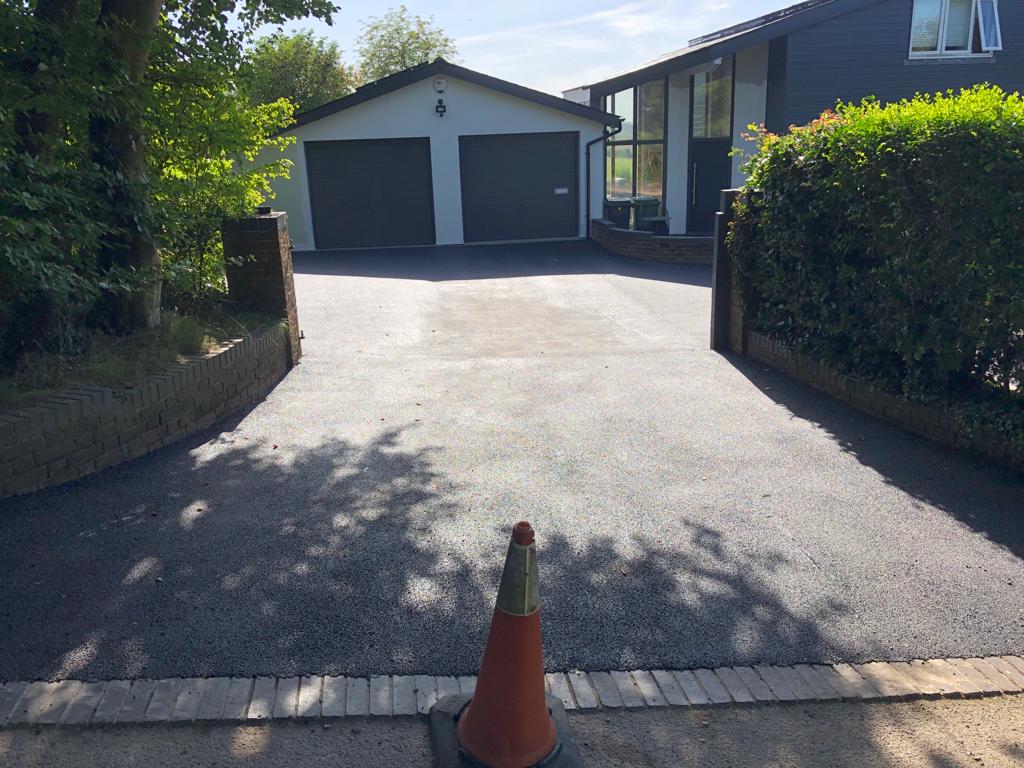
Asphalt is widely recognised for its durability and smooth finish, but like any surfacing material, it can experience issues over time. One of the more noticeable problems is surface bleeding.
Surface bleeding occurs when excess bitumen rises to the top of the asphalt, creating a shiny, sticky appearance. In warmer conditions, the surface can become soft and slippery, affecting both safety and performance. Understanding what causes bleeding is essential for property owners and site managers in Lara, VIC who want to protect the longevity of their asphalt surfaces.
At Lara Road Tech, we regularly assess and rectify surface issues, helping ensure asphalt performs as intended across residential, commercial and industrial sites in Lara.
What Is Surface Bleeding?
Surface bleeding, sometimes referred to as flushing, happens when the asphalt mix contains too much bitumen or when conditions cause the binder to migrate upward. Instead of remaining evenly distributed within the mix, the bitumen accumulates at the surface.
The result is a dark, glossy finish that can feel tacky in warm weather. Over time, this excess binder can reduce skid resistance and attract debris, which affects both functionality and appearance.
Excess Bitumen in the Mix
One of the primary causes of bleeding is an imbalance in the asphalt mix design. If the bitumen content is too high relative to the aggregate, there may not be enough stone structure to hold the binder in place.
Proper mix design ensures that the aggregate interlocks and supports the bitumen, creating a stable, durable surface. When this balance is incorrect, bleeding becomes more likely, particularly under traffic loads and temperature changes.
Insufficient Aggregate Structure
Asphalt relies on a well-graded aggregate structure to provide strength and stability. If the aggregate is too fine or poorly distributed, the surface may not have enough voids to accommodate the binder.
When traffic compacts the surface, the excess bitumen is pushed upward. This is especially noticeable in areas subject to repeated turning movements or heavy vehicle loads.
High Temperatures and Solar Exposure
In Lara, VIC, warmer weather can soften the bitumen within asphalt. When temperatures rise, the binder becomes more fluid and may migrate to the surface, particularly if the mix already contains a high bitumen content.
Repeated heat cycles can gradually worsen the condition, making the surface appear increasingly glossy and reducing traction over time.
Poor Drainage or Surface Sealing Practices
In some cases, bleeding can occur if the surface has been sealed excessively or if drainage issues contribute to prolonged heat retention. A surface that retains heat for extended periods may be more susceptible to binder movement.
Correct preparation, appropriate sealing techniques and proper drainage planning all play a role in preventing this issue from developing.
Traffic Concentration and Load Pressure
Areas exposed to concentrated traffic — such as intersections, tight turns or loading zones — are more prone to bleeding. Repeated pressure compacts the asphalt further, reducing air voids and forcing bitumen upward.
Ensuring the pavement is designed for its intended load capacity is crucial in preventing surface defects in high-stress areas.
How Surface Bleeding Can Be Managed
Addressing surface bleeding early is important to maintain safety and performance. Depending on the severity, treatment options may include:
- Applying corrective surface treatments
- Improving surface texture
- Addressing drainage concerns
- Resurfacing affected areas where necessary
The appropriate solution depends on the underlying cause and the condition of the pavement structure.
At Lara Road Tech, we assess the full condition of the asphalt surface in Lara, VIC before recommending the most suitable course of action. Proper evaluation ensures that corrective work addresses the root cause rather than just the visible symptoms.
Conclusion
Surface bleeding in asphalt is typically caused by excess bitumen, insufficient aggregate structure, heat exposure, heavy traffic pressure or preparation issues. While it may initially appear as a cosmetic concern, it can reduce skid resistance and compromise long-term performance if left unaddressed.
The key to preventing and managing bleeding lies in correct mix design, professional installation and timely maintenance.
If you have noticed signs of surface bleeding on your asphalt in Lara, VIC, Lara Road Tech can provide expert guidance and practical solutions tailored to your site. Contact our team to arrange an assessment and ensure your surface remains safe, stable and built to perform.
Call us on: 03 4159 2883
Click here to find out more about Lara Road Tech
Click here to complete our contact form and see how we can help with your driveway needs.