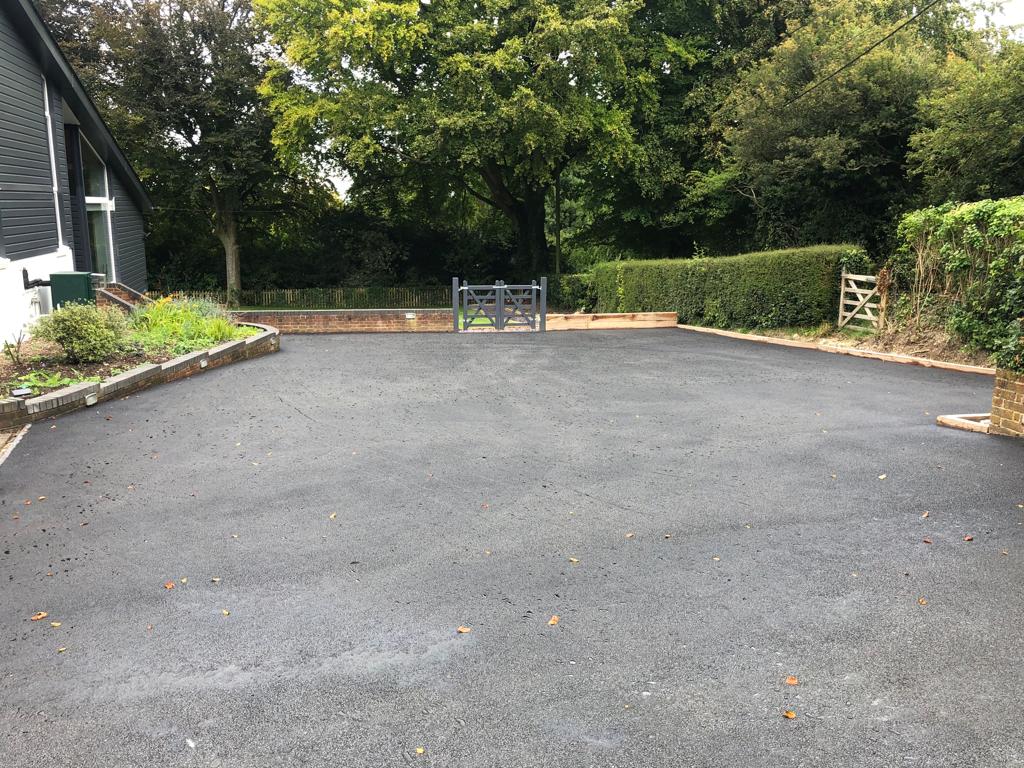
When a new asphalt surface is completed, the visible layer naturally receives most of the attention. A smooth, well-finished surface is important, but the asphalt itself is only one part of the pavement. Much of its ability to cope with regular traffic depends on the structure that has been prepared underneath it.
Base preparation creates the foundation that supports the asphalt, distributes vehicle loads and helps maintain consistent pavement levels. If the base contains soft areas, is poorly compacted or has been graded incorrectly, even a well-laid asphalt surface can eventually begin to crack, sink or deform.
For asphalt construction in Lara, VIC, careful preparation should therefore be considered a fundamental part of the project rather than simply a preliminary stage. Lara Road Tech provides professional pavement preparation and asphalt surfacing, with attention given to the complete pavement structure before the finished surface is installed.
Asphalt Is Only as Stable as the Pavement Supporting It
Asphalt is designed to provide a durable wearing surface, but it does not function independently.
Every time a vehicle travels across the pavement, loads pass from the tyres through the asphalt and into the layers underneath. A properly prepared base helps distribute those loads across a wider area.
When the underlying pavement is consistent and stable, the asphalt receives relatively uniform support.
If one section is considerably softer than another, the pavement can respond differently as vehicles travel across it. This uneven movement can eventually place additional stress on the asphalt.
The visible deterioration may appear at the surface, even though the original weakness began underneath.
What Does Base Preparation Involve?
Base preparation is more than simply flattening the ground before asphalt is laid.
The existing conditions need to be assessed so unsuitable or unstable areas can be identified. The pavement can then be shaped and prepared according to the intended use of the finished surface.
Depending on the site and pavement requirements, preparation can involve:
- Removing unsuitable or unstable material
- Establishing appropriate pavement levels
- Placing suitable base material
- Grading the pavement to the required profile
- Compacting the material thoroughly
- Addressing isolated soft areas
- Preparing pavement edges
- Considering surface drainage
- Creating a consistent platform for asphalt installation
Each stage contributes to how the finished pavement performs.
Compaction Creates the Support Asphalt Needs
One of the most important parts of base preparation is compaction.
Loose pavement material contains spaces between its particles. Compaction consolidates the material, creating a denser and more stable structure.
This matters because vehicle traffic will apply repeated pressure once the pavement is in use.
If the base has not been adequately compacted during construction, traffic may gradually compress it afterwards. The asphalt above can then settle with the underlying material.
A section that originally appeared smooth may develop a depression, wheel rut or cracking as the pavement moves.
Completing appropriate compaction before surfacing helps establish the stable foundation required before traffic is introduced.
Consistency Across the Base Is Just as Important
A pavement does not only need to be strong in individual areas. It also needs reasonably consistent support across the surface.
Imagine a driveway where most of the base is properly compacted but one section contains softer material.
Vehicles crossing that section can cause greater movement there than elsewhere. The transition between stable and unstable pavement places stress on the asphalt above.
This can lead to localised settlement or cracking despite the surrounding surface remaining in good condition.
Careful preparation aims to identify these inconsistencies before they become hidden beneath the finished asphalt.
Soft Areas Should Be Addressed Before Surfacing
Soft spots are particularly important during pavement preparation.
They may be caused by unsuitable existing material, moisture, previous disturbance or inconsistent ground conditions.
Simply placing additional material over a weak section does not necessarily remove the underlying problem.
If the area continues moving under traffic, the finished asphalt may follow that movement.
Identifying and appropriately preparing weak sections before asphalt installation can help reduce the likelihood of isolated failures developing later.
Correct Grading Establishes the Shape of the Pavement
The base determines much of the final pavement profile.
Grading is used to establish appropriate levels before asphalt is installed. This creates a consistent platform for surfacing while helping control how water will move across the completed pavement.
Poorly prepared levels can create low sections where rainfall collects.
Other areas may develop inconsistent pavement depths or transitions that make the finished surface unnecessarily uneven.
Accurate grading therefore contributes both to structural consistency and the practical usability of the asphalt.
Good Drainage Begins During Base Preparation
Drainage should not be treated as something to consider only after the asphalt has been installed.
The underlying pavement profile influences where surface water travels.
If levels are unsuitable, rainfall may repeatedly collect in depressions or move towards vulnerable pavement edges.
Water can become particularly problematic if it enters cracks or damaged sections and reaches supporting materials underneath.
Maintaining appropriate pavement levels from the beginning helps create a surface where rainfall can move away rather than continually remain in the same areas.
Poor Base Preparation Can Lead to Premature Settlement
Settlement occurs when sections of pavement move downwards after construction.
A common cause is supporting material that was insufficiently compacted or unstable before the asphalt was installed.
Vehicle loading gradually compresses the affected section, creating a low area in the finished pavement.
The problem can then become self-reinforcing.
A depression may begin collecting water. Moisture can enter developing cracks, while vehicles continue applying loads to an already weakened section.
Proper preparation aims to minimise these avoidable movements before the finished surface is placed.
Base Movement Can Cause Asphalt Cracking
Cracking is often associated with ageing asphalt, but some cracks can originate from movement underneath.
If the base settles unevenly, the asphalt spanning the affected area is placed under stress.
Initially, the change may be relatively minor. With continued vehicle loading, a crack can develop.
Once the surface opens, water has another pathway into the pavement.
This is why repeatedly repairing surface cracks without considering underlying movement may not provide an effective solution when the real problem is within the base.
A Stable Base Helps Reduce Rutting
Wheel ruts develop along frequently travelled vehicle paths.
While surface materials can contribute to rutting, movement within the pavement structure can also be responsible.
If the base lacks adequate stability, repeated wheel loads can cause deformation underneath the asphalt. The surface gradually follows this movement and visible wheel-track depressions appear.
The risk becomes more significant where the pavement carries frequent or heavier vehicles.
Preparing the foundation according to expected use helps the pavement accommodate these repeated loads more effectively.
Potholes Can Sometimes Begin With Problems Underneath
A pothole may look like a purely surface-level problem, but its development can involve several pavement layers.
Movement or weakness underneath can contribute to cracking. Water enters through the damaged surface and can further affect supporting material.
Traffic continues loading the weakened area until pieces of asphalt loosen and break away.
When potholes repeatedly return in the same location, investigating the pavement underneath can be particularly important.
The visible hole may simply be the final stage of deterioration that began deeper within the pavement.
Pavement Edges Need a Proper Foundation Too
Base preparation should extend across the complete asphalt area rather than concentrating only on central wheel paths.
Edges can be particularly vulnerable because they naturally have less lateral support.
If preparation beneath the outer asphalt is inconsistent, vehicle loading close to the boundary can contribute to cracking and break-up.
Once part of the edge is lost, deterioration may begin moving further into the pavement.
Proper preparation and suitable support around the pavement boundary help create a more stable finished edge.
Different Traffic Requires Different Preparation
A residential accessway does not necessarily experience the same loading as a hardstand or frequently used vehicle area.
Traffic type and frequency should therefore be considered before the pavement is constructed.
Important factors can include vehicle weight, number of daily movements, repeated wheel paths, turning locations and areas where vehicles remain stationary.
Heavier or more frequent traffic places greater demands on the supporting pavement.
Understanding these requirements before construction allows the preparation to reflect how the finished asphalt will actually be used.
Turning and Braking Areas Deserve Particular Attention
Not all parts of an asphalt pavement experience the same forces.
Where vehicles travel straight ahead, loads are applied differently from locations where tyres repeatedly turn, brake or accelerate.
Entrances and manoeuvring areas can therefore experience concentrated stresses.
If the base underneath these sections is weak, deterioration may develop more quickly than across less demanding parts of the pavement.
Considering expected vehicle movements during preparation helps identify where consistent structural support is especially important.
Can a Poor Base Simply Be Covered With More Asphalt?
Installing additional asphalt is not necessarily a solution to an unstable foundation.
If the base continues settling or moving, the asphalt above remains exposed to those movements regardless of the quality of the surface finish.
The appropriate response is to establish why the pavement lacks stability.
Where necessary, affected material may need to be removed and the section rebuilt, graded and compacted before asphalt is installed.
The objective is to correct the source of the instability rather than hide its symptoms underneath another surface layer.
Base Preparation Matters During Resurfacing Too
Preparation is not only important for completely new asphalt construction.
Existing pavements also need to be assessed before resurfacing.
If the original base remains stable and deterioration is primarily confined to the wearing surface, resurfacing may be suitable after appropriate repairs.
However, sections showing substantial settlement, deep rutting or recurring potholes may indicate deeper weakness.
These areas may need localised reconstruction before the wider pavement receives a new asphalt surface.
This prevents unstable sections from simply being covered and allows serviceable parts of the existing pavement to be retained.
Why Professional Preparation Adds Long-Term Value
Some of the most important asphalt construction work is no longer visible after the project is finished.
Once the asphalt has been installed, base material, compaction and underlying levels are hidden.
This makes completing the preparation correctly from the beginning particularly important.
Professional pavement construction considers the finished surface as a complete structure. Ground conditions, base consistency, grading, compaction, drainage and expected traffic are assessed before the final asphalt layer is placed.
For properties in Lara, VIC, this approach helps create a pavement suited to its intended use rather than focusing solely on the appearance of the finished surface.
Conclusion
Base preparation is one of the most important parts of asphalt construction because the finished surface depends on the pavement underneath for stability and support.
A consistent, properly graded and well-compacted base helps distribute vehicle loads, maintain pavement levels and reduce unnecessary movement. In contrast, soft spots, poor compaction and inconsistent preparation can contribute to settlement, cracking, rutting, drainage problems and recurring potholes.
Good asphalt construction therefore begins below the visible surface. Addressing pavement conditions, establishing suitable levels and creating a stable foundation before asphalt installation provides the basis for a reliable finished pavement.
Lara Road Tech provides professional pavement preparation, asphalt construction, repairs and resurfacing throughout Lara, VIC. If you are planning a new asphalt surface or have an existing pavement showing signs of underlying movement, contact our team to arrange an assessment and discuss a suitable approach for the area.
Call us on: 03 4159 2883
Click here to find out more about Lara Road Tech
Click here to complete our contact form and see how we can help with your road needs.